
Small Docks, Mighty Launches
Whether you paddle before sunrise or sneak in sunset laps, refining the details of compact waterfront access can transform every outing. Today we dive into optimizing tiny docks for kayaks and stand-up paddleboards, blending smart design, durable materials, and practical ergonomics so short footprints deliver long, effortless adventures.
Design That Works in Pocket-Sized Spaces
A compact dock earns its keep by matching paddler movement, waterline dynamics, and available shoreline geometry. Think of freeboard, approach angle, slip width, and turning radius as a choreography that keeps dinged hulls, wet knees, and awkward shuffles out of your routine while preserving calm water and neighborly harmony.
Decking That Grips Without Chewing Skin
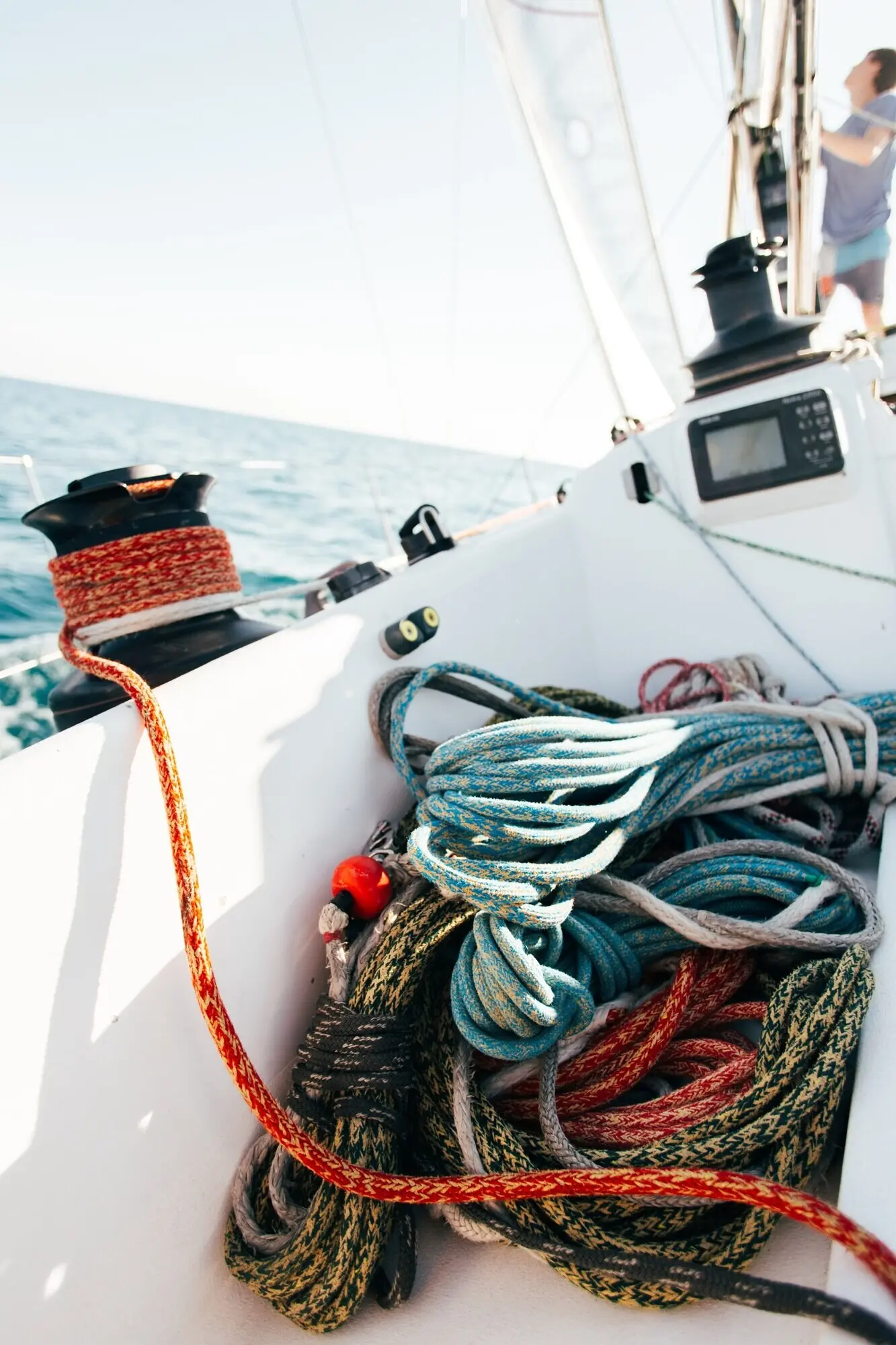
Kayakers kneel, SUP riders pivot, and both appreciate traction that grips yet forgives skin. Textured HDPE, marine EVA foam, and grooved composites drain quickly and dry fast. Test samples wet, sandy, and with sunscreen residues. Cooler colors reflect heat, while removable panels simplify deep cleaning after seaweed blooms or muddy days.
Frames, Fasteners, and Smart Isolation
Mixing aluminum, stainless steel, and treated lumber demands isolation to prevent galvanic headaches. Nylon washers, butyl tape, and anti-seize compounds spare you frozen bolts and creaks. If salt intrudes, rinse fittings and consider sacrificial anodes. Over-spec corner brackets where torsion concentrates, and use locknuts where vibration and paddle beats are common.
UV, Water, and Time: A Practical Protection Plan
Sun degrades polymers, water invites rot, and time loosens everything. A simple schedule—spring UV protectant, midsummer fastener check, fall sealant touch-ups—preserves function. Shade cloths or removable mats keep surfaces cooler, while labeled bins hold replacement hardware. Document torque values and keep spares so fixes never derail precious morning water windows.
Ergonomics for Confident Solo Launches
Good ergonomics turn a narrow platform into a calm, capable stage. Place grips at natural reach, smooth edges where shins pass, and pads where knees land. Eliminate awkward twists by aligning boards and boats with your strongest motions. Safe, repeatable micro-movements make solo sunrise sessions delightfully effortless.
Handholds Where Instinct Reaches
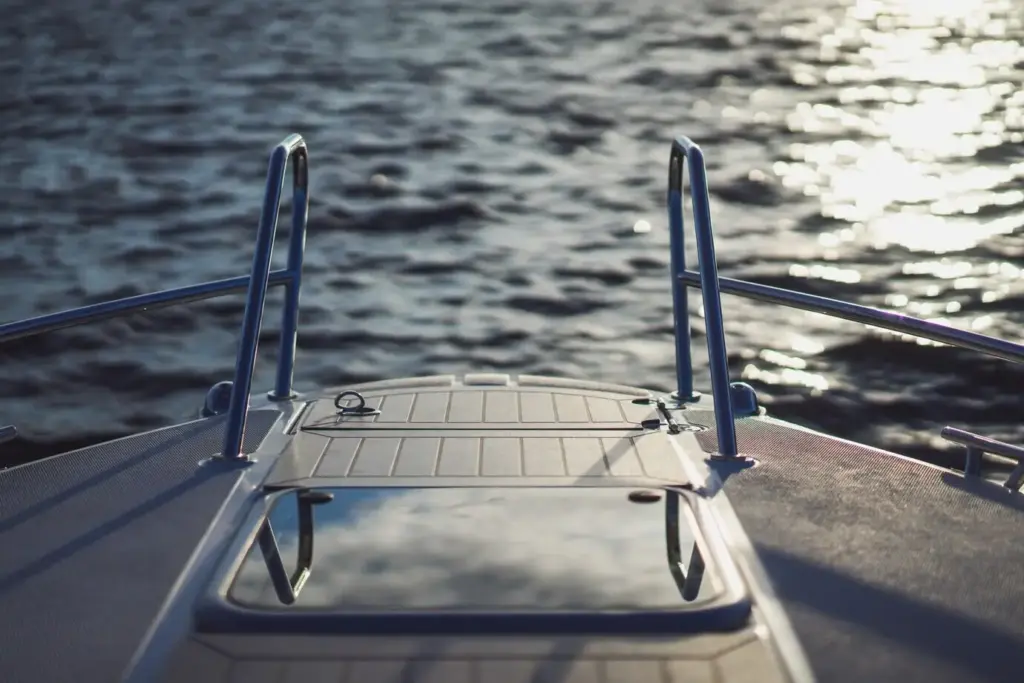
Install rails and grab loops where your body naturally reaches when balancing with one foot. Test with gloves and wet hands, and stagger heights for adults and kids. Use rounded profiles that accept a full grip. A reliable first hold quiets nerves, stabilizes entries, and reduces accidental paddle drops dramatically.

Board Edges That Glide, Not Gouge
SUP rails hate sharp corners. Add fenders, rounded bullnoses, or capped aluminum profiles to create forgiving contact. Low-friction slides or carpeted bunks protect soft decks, while concise rub strips at impact zones prevent recurring dings. The goal is calm, controlled gliding that feels easy even with wind pushing sideways.

Seeing the Line in Night and Fog
Subtle, battery-sipping LEDs along edges reveal footing without blinding pupils. Reflective tape marks paddle parking and leash clips. A dim, warm-white path to the water steadies pre-dawn launches. Keep switches reachable with elbows full, and choose sealed luminaires that shrug off spray, late-season frost, and occasional brackish splashes effortlessly.
Storage and Flow That Keep Momentum
When everything has a home near the water, trips feel shorter and smiles grow. Stage paddles, PFDs, leashes, drybags, and hydration where your arms naturally swing. Separate sandy returns from clean departures. Small docks thrive when storage, movement, and gear checks form one unbroken, repeatable rhythm you trust.

DIY, Budget Builds, and Upgrade Paths
You can start simple and improve steadily. Reuse hardware, shop surplus, and let modular concepts grow with confidence and funds. Transparent cost breakdowns, repairable joints, and future-proof mounting points keep options open. Build once, refine seasonally, and celebrate each upgrade that removes friction from your paddling ritual.

Eco-Friendly Footprints and Quiet Coexistence
Thoughtful micro-docks respect shorelines, neighbors, and wildlife. Choose anchors that grip without tearing beds, avoid shading sensitive vegetation, and set routes that skirt nesting areas. Soft landings, low noise, and slow motions reduce stress on creatures that call these waters home long before your morning coffee ritual.
Anchoring Lightly, Holding Fast
Helix anchors penetrate with minimal disturbance and resist long-term creep. In rocky bottoms, weighted cradles avoid drilling. Use rope guards to prevent sawing, and verify lines after big storms. Document positions on a simple sketch map so re-installation each spring respects prior habitats and consistent, safe tie-in points.
Stop Hitchhikers: Clean Craft Protocols
Invasive species move silently on damp hulls and leashes. A quick rinse, visible drying rack, and soft brushes near the dock stop most transfers. Post a friendly reminder sign for guests. Make it a ritual: clean in, clean out, because shared waters deserve thoughtful habits anchored in everyday choices.
Habitat, Seasons, and Respectful Routes
Mark quiet zones where fish spawn or birds nest during sensitive months. Encourage low-wake entries, and walk boards farther before paddling when levels drop. Keep headlamps angled down to spare shoreline eyes. Your micro-dock can champion stewardship by modeling considerate routes that others naturally copy with gratitude.
Stories, Lessons, and Community Wisdom
Real waterfronts rarely match diagrams, so shared experiences matter. We gather clever fixes, hard-won lessons, and joyful wins from small spaces everywhere. Tell us what worked, what failed, and what surprised you. Comment, subscribe, and tag photos so paddlers learn faster together and celebrate every graceful, quiet launch.
The Back-Lagoon Two-Neighbor Build
Two households split costs, scavenged floats, and created a shared micro-dock with alternating launch times. A simple chalkboard prevented scheduling collisions. Their favorite upgrade? A mid-rail paddle clip that stopped the classic drop-and-splash comedy. Collaboration turned limited frontage into a reliable gateway to sunrise birdwatching, every clear weekend.

Urban Docklet Above a Working River
A city couple mounted a tiny decklet to a permitted seawall and fought noise with rubber isolation pads. Reflective markers guided predawn commuting paddles. When tides surged, modular floats redistributed lift under the entry corner. Their note to readers: small, iterative experiments beat perfect blueprints every busy season.
Cold Climates, Warm Launches
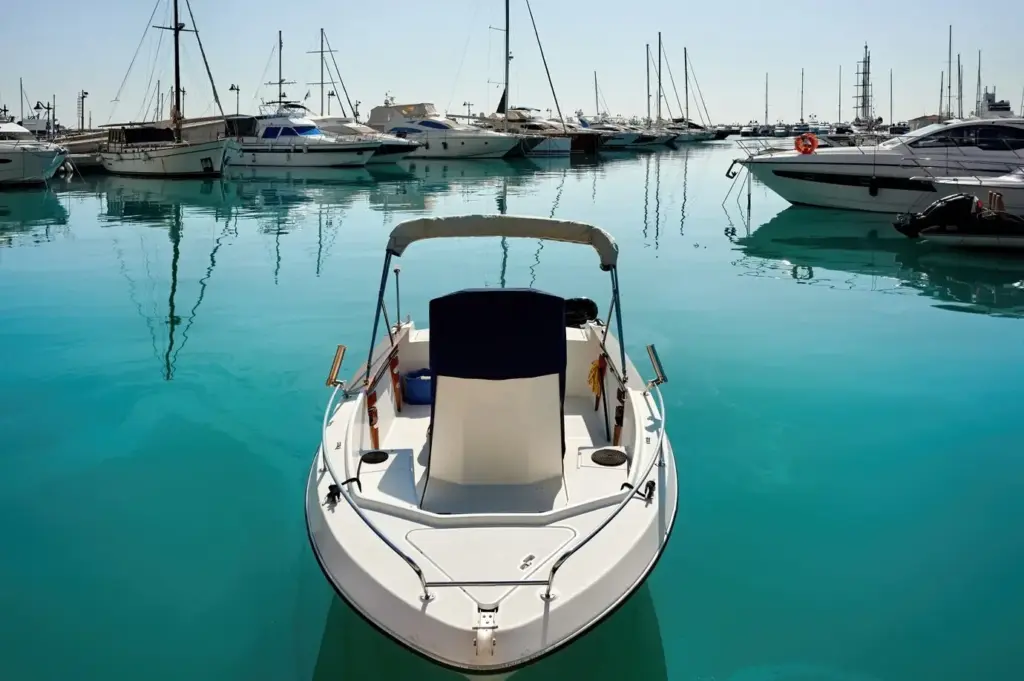
In freeze-prone bays, a removable gangway and flexible couplers survived heave and thaw. EVA pads stayed grippy with thin frost, while a thermos-friendly shelf made glove moments less frantic. The owners charted sun angles to dry surfaces by noon, proving winter water access possible without heroic, expensive engineering.
All Rights Reserved.